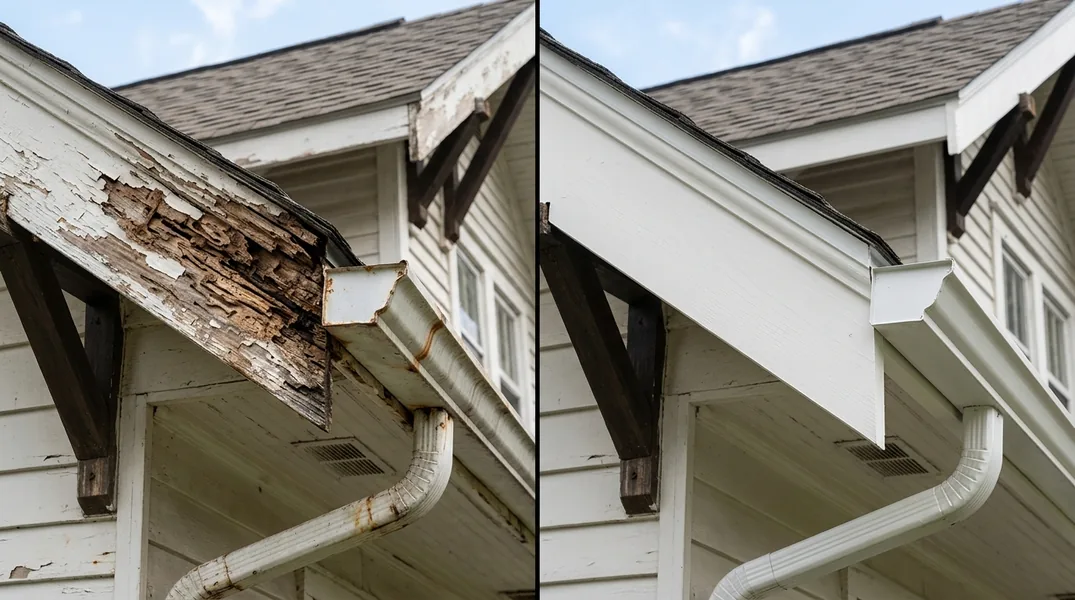
Why Lexington's Climate Creates the Perfect Storm for Wood Rot and Termites
Lexington homeowners face a unique challenge when it comes to protecting their properties from wood damage. The region's climate, characterized by high humidity, significant rainfall, and temperature fluctuations, creates ideal conditions for both wood rot and termite infestations. Unlike drier climates where wood damage progresses slowly, the moisture-rich environment in central Kentucky accelerates decay and attracts wood-eating insects year-round.
The problem is compounded by the age of many homes in Lexington. Older properties often have foundation issues, poor drainage systems, and outdated ventilation that allow moisture to accumulate in crawlspaces and wall cavities. When wood stays damp for extended periods, it becomes vulnerable to fungal growth that causes dry rot, and it simultaneously attracts termite colonies searching for their primary food source. This combination of environmental factors and aging infrastructure makes wood damage one of the most common structural concerns for homeowners in the area.
Understanding Crawlspace Moisture and Wood Rot Development
Your crawlspace is ground zero for wood rot problems. This often-neglected area sits directly above soil and is exposed to moisture from groundwater, rainfall, and humidity. When crawlspace moisture wood rot begins to develop, homeowners frequently don't notice until significant damage has already occurred. The darkness and limited visibility in crawlspaces mean that rot can spread unchecked for months or even years before becoming apparent.
Wood rot develops when moisture levels exceed 20 percent in structural lumber. In Lexington's humid environment, crawlspaces commonly maintain moisture levels well above this threshold, especially if they lack proper vapor barriers or ventilation. The fungal spores that cause rot are present naturally in the environment, so all they need is moisture and wood to thrive. Once rot takes hold in support beams, floor joists, or rim boards, it weakens the structural integrity of your entire home. This is why addressing crawlspace moisture wood rot early is critical to preventing catastrophic damage and expensive repairs down the line.
Recognizing the Signs of Termite Damage in Your Home
Termite damage often goes unnoticed until it becomes severe, which is why knowing the signs of termite damage is essential for every homeowner. Termites work quietly and methodically, consuming wood from the inside out. Unlike carpenter ants or other wood-boring insects that leave visible holes, termites create hollow galleries within the wood, leaving only a thin outer shell intact. This means a wooden beam or joist can be extensively damaged while appearing relatively normal on the surface.
The most obvious signs of termite damage include mud tubes running up foundation walls, which termites build to maintain moisture while traveling between soil and wood. You might also notice wood that sounds hollow when tapped, blistered or bubbling paint on wood surfaces, or discarded termite wings near windows and doors during swarming season. Sagging floors, doors that stick or won't close properly, and visible tunnels in exposed wood are all red flags that warrant immediate inspection. If you spot any of these indicators, contact Lexington Carpentry at (859) 710-6174 for a professional assessment before the damage spreads further.
Wood Rot and Dry Rot Repair Near Me: When to Call a Professional
Wood Rot & Dry Rot Repair is not a DIY project for most homeowners. While surface-level rot might seem manageable, the problem almost always extends deeper into the wood structure than what's visible. Professional repair requires proper assessment, removal of all affected material, treatment to prevent recurrence, and installation of new structural components. Attempting repairs without this expertise can leave hidden rot that compromises your home's safety and leads to even more expensive problems later.
The right time to call a professional is as soon as you suspect wood rot or termite damage. Early intervention saves money and prevents structural failure. Wood Rot & Dry Rot Repair specialists can identify the extent of damage using moisture meters and visual inspection, then recommend the most cost-effective solution. For termite-related damage, Termite Damage Repair requires coordination with pest control professionals to eliminate the infestation and then restore structural integrity. If damage affects critical support structures like floor joists or load-bearing beams, you may need Floor Joist & Subfloor Repair or even Beam Replacement & Load-Bearing Wall Removal.
Wood Rot and Termite Damage Repair Cost in Lexington: What to Budget
The cost of repairs varies dramatically depending on the extent of damage, the location of the affected wood, and whether structural components need replacement. Minor surface rot affecting trim or siding might cost a few hundred dollars, while extensive damage to floor systems or foundation beams can easily reach several thousand dollars. Pricing for wood rot and termite repairs typically includes assessment, removal of damaged material, structural repairs, and preventive treatments to stop recurrence.
Rather than guessing at costs, the best approach is to get a professional inspection and free estimate from experienced contractors. Lexington Carpentry offers comprehensive evaluations that identify all damage and provide transparent cost estimates before work begins. Delaying repairs to save money in the short term almost always results in higher costs later, as untreated rot and termite damage spread and weaken more structural components. Investing in prompt, professional repairs protects your home's value and your family's safety.
Prevention Strategies to Protect Your Lexington Home
The best approach to wood damage is prevention. Start by managing moisture in and around your home. Ensure gutters and downspouts direct water at least 4 to 6 feet away from your foundation. Maintain proper grading so water slopes away from your house rather than pooling near the foundation. Inside, use dehumidifiers in crawlspaces and basements, and ensure crawlspace vents remain clear and functional. Repair any plumbing leaks promptly, as even small drips can create the moist conditions that promote rot and attract termites.
Regular inspections are your second line of defense. Walk your property seasonally, checking foundation walls for mud tubes, examining exposed wood for soft spots or discoloration, and looking for signs of moisture accumulation. Have a professional inspect your crawlspace annually, especially after heavy rain or if you notice any musty odors. Termite prevention often requires professional pest control services, which should be scheduled regularly for homes in wood rot-prone areas. By combining moisture management, regular inspections, and professional preventive treatments, you can significantly reduce the risk of costly damage to your home. If you're concerned about existing damage or want to schedule a preventive inspection, reach out to Lexington Carpentry at (859) 710-6174 today.
Looking for a professional carpentry contractor in Lexington? Lexington Carpentry responds fast for all your carpentry needs.
Get a Free QuoteOur services: Wood Rot & Dry Rot Repair · Termite Damage Repair · Floor Joist & Subfloor Repair