Understanding Wood Rot vs. Termite Damage: What's the Real Problem?
When you discover soft, discolored wood on your home, your first instinct might be panic. But before you assume the worst, it helps to understand what you're dealing with. Wood rot and termite damage look similar to the untrained eye, yet they require very different approaches to fix.
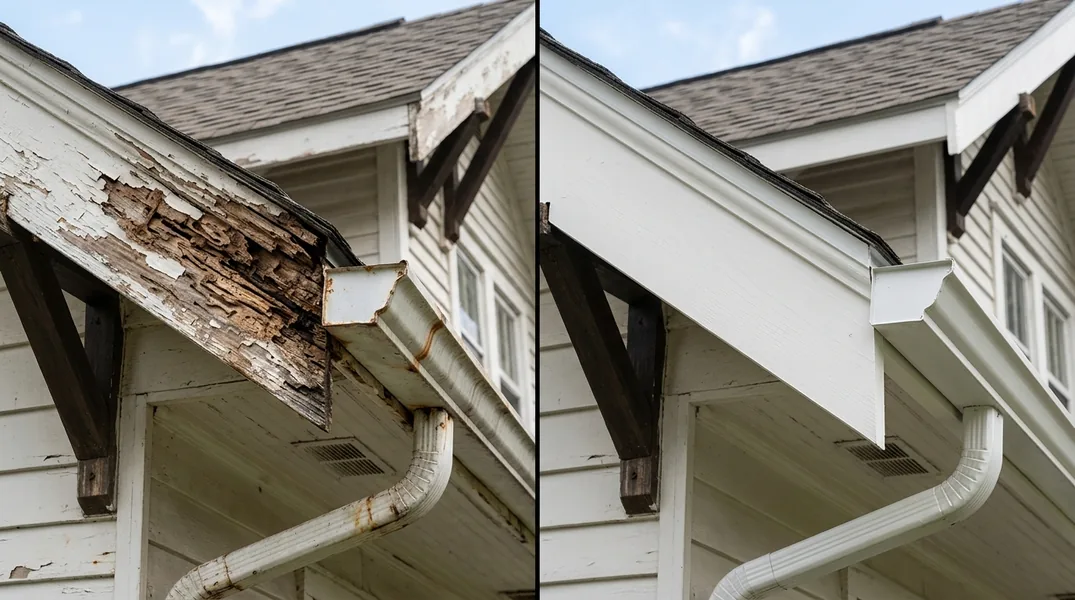
Wood rot occurs when moisture penetrates wood fibers and fungi begin breaking down the cellulose. Dry rot, despite its name, is also caused by moisture and fungi, though it spreads faster and causes more structural damage. Wood Rot & Dry Rot Repair typically involves identifying the moisture source, removing the affected wood, and replacing it with treated lumber. Termite damage, on the other hand, results from active insect infestation. Termites tunnel through wood, creating hollow galleries that weaken structural integrity. If you suspect Termite Damage Repair, you'll need pest control intervention before any carpentry work begins. The distinction matters because treating one without addressing the other will leave your home vulnerable to further damage.
Can You Repair Rotted Wood Without Replacing It? The Honest Answer
Homeowners often ask whether they can simply treat rotted wood and leave it in place. The answer depends on the extent of the damage and the wood's structural role. Minor surface rot, where only the outer layer is affected and the core remains solid, can sometimes be stabilized with epoxy fillers and sealants. These products harden and provide temporary reinforcement. However, this approach is best suited for decorative trim or non-load-bearing elements. For wood that supports your home's weight or frequently contacts moisture, repair without replacing is usually a false economy.
The reality is that rotted wood has lost its structural capacity. Fungi have broken down the cellular structure, making it weaker than sound wood. Even if you fill the cavity and seal the surface, the interior remains compromised. In Lexington, where humidity and seasonal moisture are constant concerns, wood rot tends to progress. What looks like a small problem today often becomes a major structural issue within two to three years if left untreated. Professional contractors recommend replacement whenever rot affects structural members like beams, joists, or load-bearing walls. The small savings from attempting a surface repair rarely justify the risk to your home's safety and your family's wellbeing.
When Should You Replace Rotted Wood Siding?
Siding presents a unique challenge because it's both a structural and aesthetic component. Rotted siding boards allow moisture to penetrate behind the wall, potentially damaging insulation, sheathing, and framing. If you catch rot early and it affects only one or two boards, replacement is usually the best option. Modern replacement siding can be matched to your existing material, whether that's wood, fiber cement, or composite. The process involves removing the damaged boards, inspecting the underlying structure for additional damage, and installing new material with proper flashing and sealing.
When considering whether to replace rotted wood siding, assess how much of your wall is affected. If rot is limited to a small section and the underlying sheathing is sound, localized replacement is cost-effective and restores both function and appearance. However, if rot has spread across multiple boards or if the sheathing behind the siding is also compromised, you may need to replace a larger section or even the entire wall. This is where professional assessment becomes invaluable. At Lexington Carpentry, we can evaluate the full extent of damage and recommend the most practical solution for your situation. Contact us at (859) 710-6174 to discuss your siding concerns.
Wood Rot Repair Cost in Lexington: What to Budget
The pricing for wood rot repair varies significantly based on several factors. The extent of damage is the primary driver of cost. A single rotted board in accessible siding might cost $200 to $400 to replace, while structural damage affecting floor joists or beams can range from $1,500 to $5,000 or more. The location of the damage also matters. Rot in a crawlspace or basement is often more affordable to address than rot in upper-story framing, which requires scaffolding or specialized equipment. Material costs fluctuate, but pressure-treated lumber and specialized repair products add to the overall expense.
Labor comprises a substantial portion of repair costs, especially when the damage requires extensive investigation or difficult access. A contractor must first identify all affected wood, which sometimes means removing portions of walls, flooring, or exterior cladding to assess the full scope. Once the inspection is complete, they remove the damaged material, address any moisture sources, and install new wood with proper treatment and sealing. In Lexington, you can expect professional repair work to run $75 to $150 per hour, plus materials. The best way to understand your specific costs is to request a free estimate from a qualified local contractor. They can provide a detailed breakdown and help you prioritize repairs if your budget is limited.
Structural Damage: When Floor Joists and Beams Need Replacement
Floor joists and beams are the skeleton of your home. When rot or termites compromise these members, your floors may sag, squeak, or feel bouncy. This isn't just a comfort issue, it's a safety concern. Floor Joist & Subfloor Repair requires professional expertise because improper work can cause structural collapse. If you notice soft spots in your floor, visible sagging, or evidence of pest activity in your basement or crawlspace, don't delay in getting an inspection.
Repairing floor joists typically involves temporary support (often called shoring) while the damaged member is removed and replaced. This ensures the load above remains supported and prevents catastrophic failure. Beam Replacement & Load-Bearing Wall Removal work is even more complex and absolutely requires professional engineering and installation. These repairs cannot be DIY projects. The cost reflects the complexity and safety requirements, but the alternative, allowing structural damage to progress, puts your entire home at risk. If you suspect joist or beam damage, contact Lexington Carpentry immediately at (859) 710-6174 for a professional evaluation.
Preventing Future Rot: Moisture Control is Your Best Defense
Once you've invested in repairing rotted wood, you want to prevent the problem from recurring. The root cause of virtually all wood rot is moisture. Whether it's from poor drainage, leaking gutters, plumbing leaks, or high humidity, water is the enemy. Start by inspecting your roof and gutters regularly. Clogged gutters cause water to overflow and run down exterior walls, saturating the siding and framing. Downspouts should direct water at least four to six feet away from your foundation. Check for leaks around windows and doors, and ensure caulking is intact and flexible.
Inside your home, manage humidity by ensuring bathrooms and kitchens are properly vented to the exterior. Crawlspaces should have adequate ventilation and, ideally, a vapor barrier on the ground to reduce moisture rising from the soil. If you live in a particularly humid area of Lexington or have experienced water intrusion in the past, consider installing a dehumidifier or sump pump system. Treat any new wood repairs with appropriate sealers and finishes to create a protective barrier. Regular maintenance and prompt attention to water problems will extend the life of your home's wooden components and save you thousands in future repairs. If you're unsure whether your home is at risk, our team can conduct a thorough inspection and provide recommendations tailored to your property's specific needs.
Looking for a professional carpentry contractor in Lexington? Lexington Carpentry responds fast for all your carpentry needs.
Get a Free QuoteOur services: Wood Rot & Dry Rot Repair · Termite Damage Repair · Floor Joist & Subfloor Repair