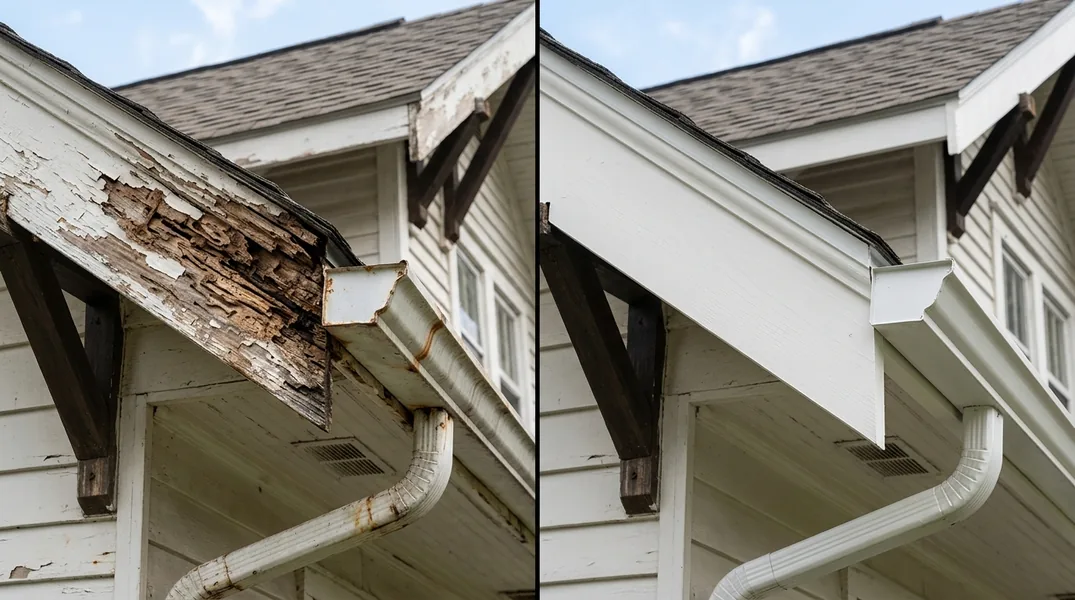
Is Termite Damage Covered by Homeowners Insurance?
One of the most frustrating discoveries a homeowner can make is learning that termite damage is almost never covered by standard homeowners insurance policies. This exclusion applies across the vast majority of insurers, whether you live in Lexington or anywhere else in the United States. Insurance companies classify termite damage as a maintenance issue rather than a sudden, accidental loss, which is why it falls outside the scope of typical coverage.
The reasoning behind this exclusion is straightforward from an insurer's perspective: termite infestations develop gradually over time and are considered preventable through regular home maintenance and pest control measures. Because homeowners have the ability to take proactive steps to avoid infestation, insurers view termite damage as a homeowner's responsibility. This distinction is critical to understand, as it means you cannot file a claim for structural damage caused by termites, wood rot from termite activity, or the cost of professional pest treatment through your standard homeowners policy.
Why Insurance Companies Exclude Termite Damage
Insurance policies are designed to cover unexpected, sudden events that are beyond a homeowner's control. Termite infestations don't fit this model because they develop over months or even years before significant damage becomes apparent. The insects work slowly and methodically, consuming wood from the inside out, which gives homeowners ample opportunity to detect and address the problem through routine inspections and preventive pest control treatments.
Additionally, insurance companies have learned through decades of claims data that termite damage can be extraordinarily expensive to repair. In some cases, extensive infestations can compromise the structural integrity of a home, requiring major repairs including Floor Joist & Subfloor Repair or even Beam Replacement & Load-Bearing Wall Removal. If insurers covered termite damage, premiums would skyrocket to account for the potential liability. By excluding these claims, they keep policies affordable for all policyholders.
What About Wood Rot Insurance Claims?
The situation with Wood Rot & Dry Rot Repair is more nuanced than termite damage, but the outcome is often similar. Most homeowners insurance policies do not cover wood rot that develops gradually due to moisture exposure or poor maintenance. However, there are exceptions. If wood rot results from a sudden, covered event like a burst pipe, roof collapse from a storm, or water damage from a sudden accident, you may be able to file a claim for the resulting rot damage.
The key distinction is whether the damage stems from an insurable event or from neglect and gradual deterioration. For example, if a winter storm tears off part of your roof and water seeps in causing wood rot over the following weeks, that damage might be covered because it originated from the storm. Conversely, if your roof has been slowly leaking for years due to poor maintenance, the resulting rot would almost certainly be denied. When evaluating a potential wood rot insurance claim, it's essential to document the triggering event and have professionals assess whether the damage is truly sudden or the result of long-term neglect.
Protecting Your Home from Termites in Lexington
Since insurance won't cover termite damage, prevention becomes your most valuable tool. Lexington homeowners should implement a comprehensive pest prevention strategy that includes regular professional termite inspections, particularly if your home is older or built on a foundation susceptible to termite entry. Annual inspections by a licensed pest control professional can catch early signs of infestation before significant structural damage occurs.
Beyond professional inspections, you can take several proactive steps to make your home less attractive to termites. Eliminate sources of standing water around your foundation, ensure proper drainage away from your home's base, maintain at least 18 inches of clearance between soil and any wooden siding or structural elements, and store firewood and mulch away from your house. Seal cracks in your foundation and install or repair soil-to-wood barriers. While these measures require effort and sometimes modest investment, they are far less expensive than dealing with extensive Termite Damage Repair later.
What to Do If You Discover Termite or Wood Rot Damage
If you discover evidence of termites or significant wood rot in your home, act quickly. The longer you wait, the more extensive and expensive the damage becomes. First, contact a licensed pest control company to confirm whether you have an active termite infestation and begin treatment if necessary. Simultaneously, have a professional carpenter or structural inspector evaluate the extent of any wood damage. This dual approach ensures you address both the pest problem and the structural consequences.
Once you understand the full scope of damage, you can explore your repair options. Even though your homeowners insurance likely won't cover the damage, it's worth contacting your insurer to discuss the situation. In rare cases, if the damage resulted from a covered event, you may have a legitimate claim. For the repairs themselves, obtain multiple estimates from qualified contractors. The pricing for termite damage repair varies significantly based on the extent of infestation, the number of affected areas, and the structural repairs needed. Some repairs may be relatively minor, while others could require substantial investment.
Getting Professional Help for Structural Repairs
Once pest treatment is underway, you'll need qualified professionals to assess and repair structural damage. This is where a specialized carpentry company becomes invaluable. Experienced carpenters can evaluate whether wood can be reinforced or must be replaced entirely, and they can execute repairs that restore your home's structural integrity. Whether the damage involves floor systems, support beams, or wall framing, professional restoration ensures your home is safe and sound.
If you're dealing with termite or wood damage in Lexington, Lexington Carpentry specializes in comprehensive structural repairs following pest damage and moisture issues. Our team can evaluate your specific situation, explain your repair options, and provide transparent pricing for the work needed. Don't let structural damage compromise your home's safety or value. Contact us today at (859) 710-6174 or request a free estimate to discuss your repair needs.
Looking for a professional carpentry contractor in Lexington? Lexington Carpentry responds fast for all your carpentry needs.
Get a Free QuoteOur services: Wood Rot & Dry Rot Repair · Termite Damage Repair · Floor Joist & Subfloor Repair